Objects of Desire
A ball at one o’clock and a cinema with nuns for landlords: Sydney’s machines for time and light
A time ball first dropped in 1858, a 1937 picture palace and Paramount’s 1940 screening room.

Photo Credit
Image courtesy of © Sgerbic · CC BY-SA 4.0 via Wikimedia CommonsBefore phones told the time, Sydney looked up: a ball dropped from the Observatory tower gave a busy port its signal. The city also kept its machines for light, from a 1937 Art Deco cinema in Randwick to Paramount’s 1940 screening room beneath Surry Hills, and it has just rebuilt the view from its tallest tower. Why did these instruments survive? Here is the back story, from their own pages, November 2026.
Why the ball drops at one
Sydney Observatory, built in 1858 on Observatory Hill, began as a working instrument for a busy port. Accurate timekeeping was critical to navigation, and the Powerhouse, which runs the Observatory today, describes its time ball as critical infrastructure for the harbour. The ball was dropped for the first time at noon on 5 June 1858.
Noon did not last. The time was soon moved to 1pm, because the Government Astronomer, the Rev. W. Scott, could not observe the sun crossing the meridian at midday while also upstairs in the tower dropping the ball. It is an early case of a scientist discovering that he could not be in two places at once, and a whole port adjusting to suit.
The Observatory began with a borrowed heirloom. On its opening, Scott found that a mean-time regulator clock by the Parisian horologist Breguet, from an earlier private observatory at Parramatta, was one of the few of its instruments still working. Sydney’s official time, in other words, started on a French clock.
The Observatory went on to matter well beyond the harbour. In 1877 the Government Astronomer H. C. Russell published the first Australian weather maps there, and the building gave the Bureau of Meteorology its first offices until 1927. It now opens from Thursday to Sunday at 1003 Upper Fort Street, Millers Point, and publishes a monthly guide to the southern sky.
A picture palace and its nuns
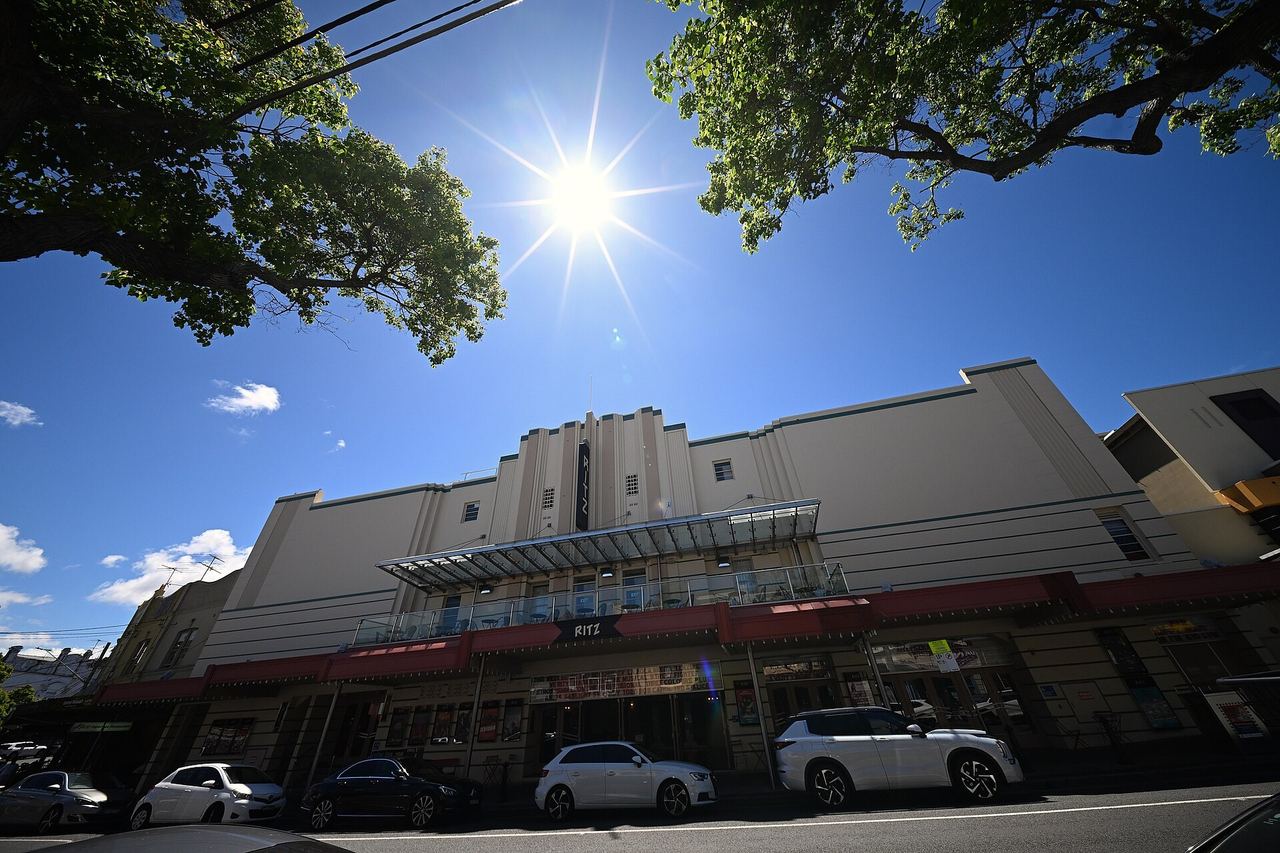
The Ritz in Randwick opened in July 1937, designed by Aaron Bolot, a Jewish migrant from Crimea, and is one of only two original Art Deco cinemas remaining in Sydney, in its own words. In 1954 Hoyts took over the lease and promptly installed a CinemaScope screen.
In 1962 the building was bought by the Sisters of the Brigidine Congregation, who leased the theatre to film exhibitors; few cinemas can list a religious order among their landlords. The Ritz has since grown, with three theatres added in 1997, two in 2001 and two more in 2023, but the main auditorium keeps its original Art Deco fittings and is, the cinema says, one of the largest permanent cinema auditoriums in Sydney.
It is an early case of a scientist discovering that he could not be in two places at once, and a whole port adjusting to suit.
The Ritz has a showman’s streak. Dianne Darwon, who took over the lease from her brother in 1979, brought in midnight-to-dawn sessions and recession-buster $7 tickets that came with popcorn, a Coke and a Mars Bar, according to the cinema’s own history: a film, dinner and dessert, for the price of a sandwich.
Paramount’s screening room
Golden Age Cinema and Bar occupies the theatrette of Paramount House at 80 Commonwealth Street, Surry Hills. The building was constructed in 1940 and was the home of Paramount Pictures in Sydney until the 1970s; its audiences ran from exhibitors and film executives to critics, and servicemen and women came to watch newsreels here during the Second World War.
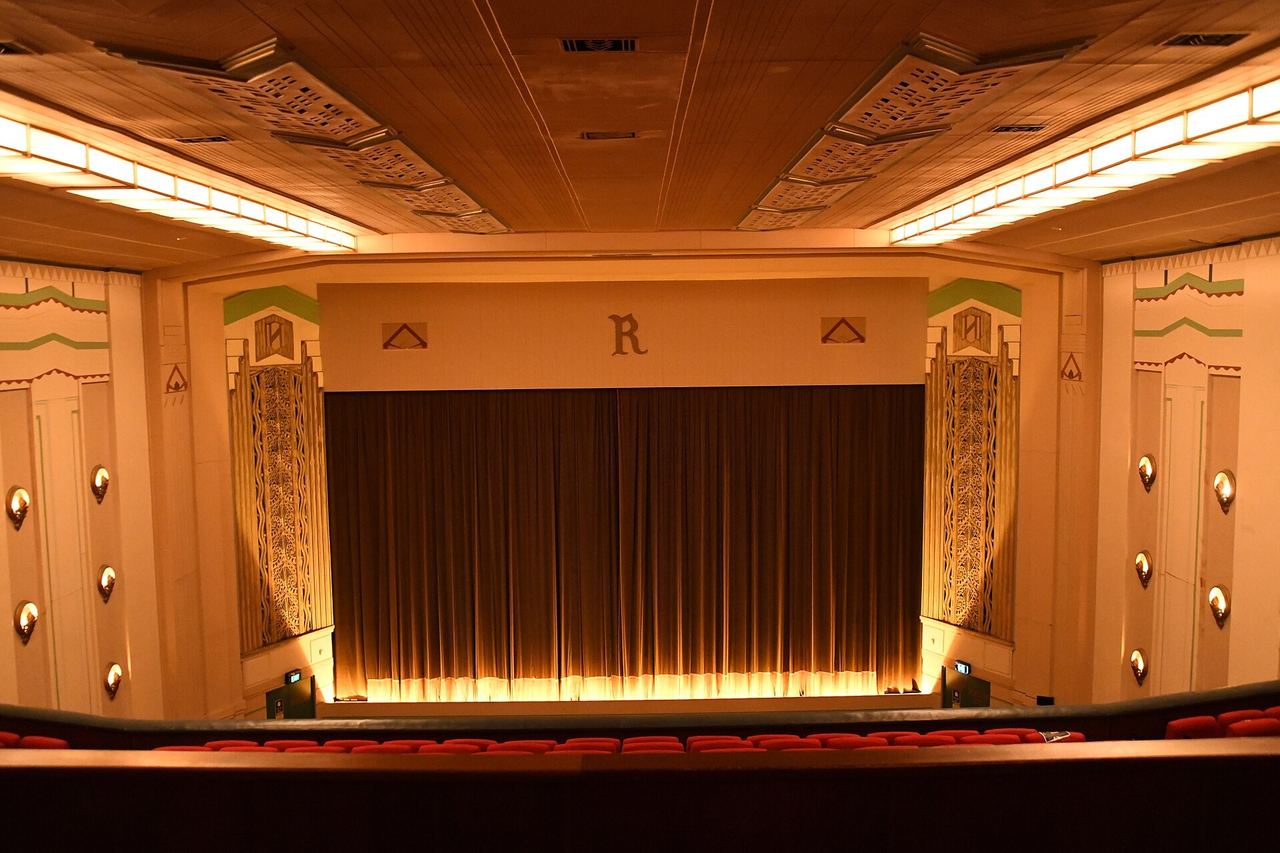
Photo Credit
Image courtesy of © Sardaka · CC BY-SA 4.0 via Wikimedia CommonsWhen the cinema opened in 2013, its owners went to Zurich for 1940s-era seats in plush velvet and refitted the original Paramount projection room with current cinema technology. The bar alongside, by its own account, is David Lynch-inspired, a projection booth upstaged, for once, by the bar.
The newest machine for looking is at the top of the city. Sydney Tower Eye’s observation deck, reimagined in 2025, is 250 metres above the streets, with views of up to 80 km to the Blue Mountains, and SKYWALK takes you out on glass platforms 268 metres up for a 60-minute guided walk. For the gadgets themselves, our Tech list has the kit worth packing.
Our advice: book an evening at Sydney Observatory, then catch a late film at Golden Age, which hosts film trivia in its bar every Monday. At the Ritz, arrive early and see the main auditorium with the house lights up.
Why it's on our list
- Why the ball drops at one
- A picture palace and its nuns
- Paramount’s screening room
Location
The map comes from Google Maps, which sets its own cookies once it loads.
More in depth
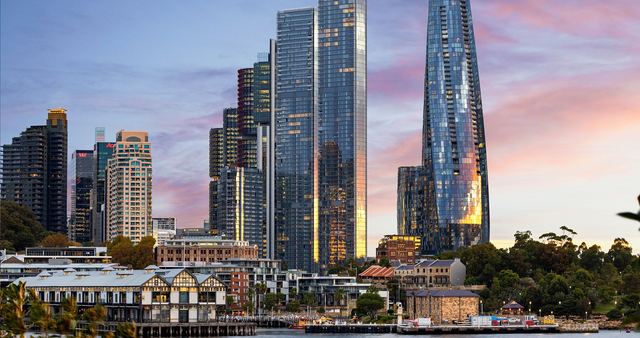 Objects of DesireCrystal, bronze and curved brick: the new architecture of the Sydney waterfrontRenzo Piano’s crystalline towers, a club of 1891 reborn and brick shaped like a headland.
 Objects of DesireOne sugar cube and nowhere to hide: the Old Fashioned in SydneyThe Old Fashioned exactly as the IBA writes it, and the Sydney bars with a long whisky shelf.
 Objects of DesireLess parked than crouched: the electric Jaguar and the new supercarsJaguar’s Type 00 and Type 01, Ferrari’s first electric car and the record-breakers around them.